Who Can See What Your AI Note-Taker Records?

Article Summary: AI note-takers join your meetings, transcribe everything said, and save the recording and summary to the vendor's servers. Who can see that recording depends on the tool. Some keep your data inside your own Microsoft or Google environment and never use it for training, while others store it on their own servers and may use it to improve their AI. Some also auto-join meetings from your calendar without anyone pressing record.

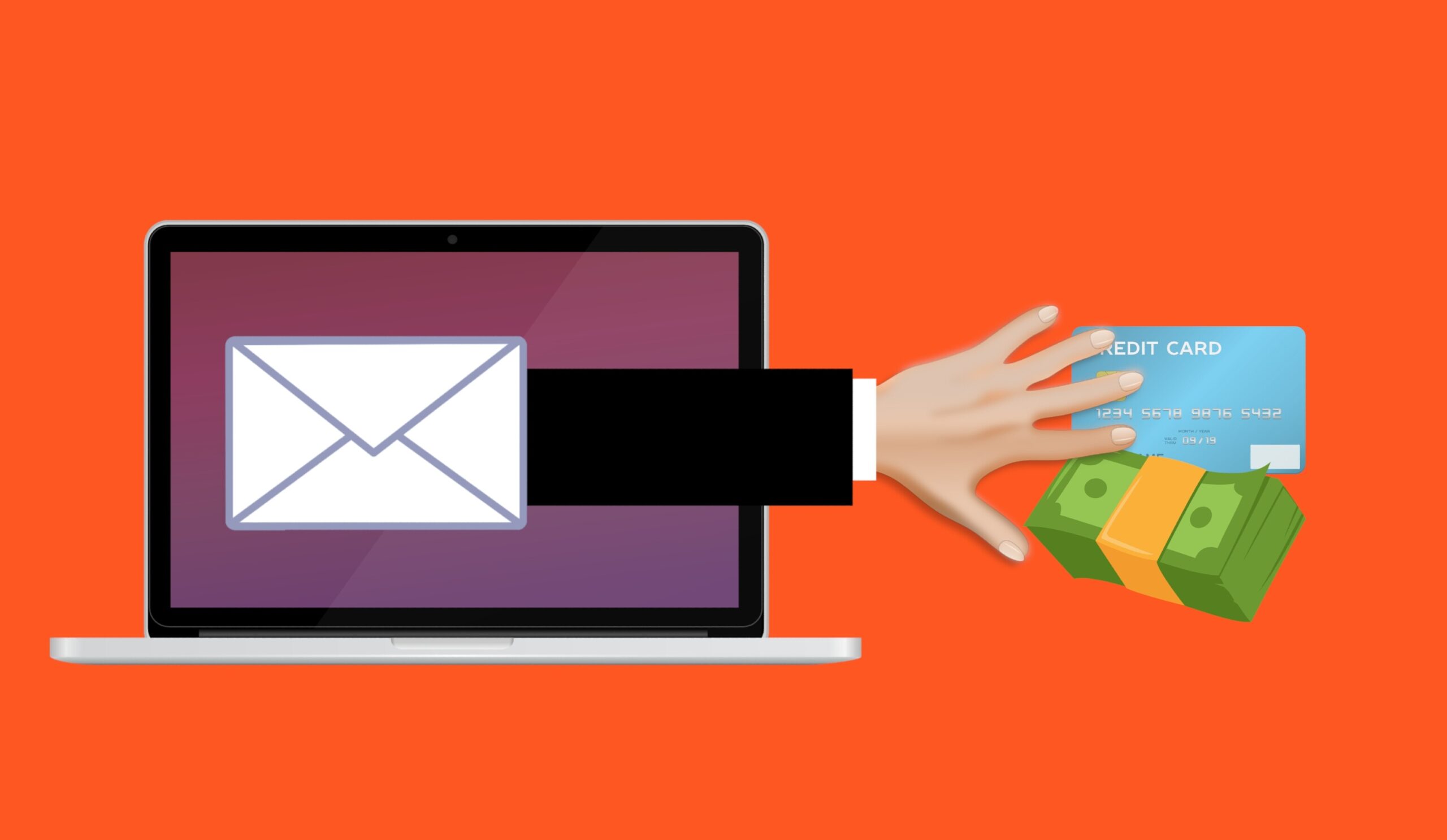
How to Stop Scammers from Sending Emails in Your Company’s Name

Article Summary: Email spoofing is when a scammer sends a message that appears to come from your domain, often to trick your clients or staff into paying a fake invoice or changing banking details. Three DNS records (SPF, DKIM, and DMARC) prove that a message really came from you and tell receiving mail servers to reject the ones that didn't. The catch is that DMARC only protects you once it's set to "quarantine" or "reject," and a lot of businesses leave it on "none," which monitors but does not block.

How to Answer Cyber Insurance Renewal Questions Without Voiding Your Policy

If you have a cyber insurance renewal coming up, the application is probably longer than the one you filled in last time. It's also more specific. Each new question maps to a control that, if missing, allowed a major 2023 or 2024 claim to escalate. The wording reflects how carriers responded to losses they paid in 2023 and 2024, and how you answer the form matters more than it used to.

5 Microsoft 365 Settings Worth Checking in Your Tenant

Microsoft has tightened several default settings in Microsoft 365 over the past few years. Newer tenants get more protection out of the box than tenants set up before 2022 or so. The problem is that legacy configurations stay in place. A setting changed for new tenants in 2024 doesn't retroactively change in yours, and historical user consents, inbox rules, or sharing links granted before the change are still active.

What Immutable Backup Means on Your Cyber Insurance Form

Cyber insurance applications include a question that catches a lot of small business owners off guard: “Do you maintain immutable, air-gapped, or offline backups of your critical business data?”

Carriers added that question to renewal forms because ransomware operators worked out that the fastest way to force a payout is to wipe the backups first and encrypt everything else after.

Why Human Habits Are Your Biggest Security Risk

Most cyberattacks do not start with a sophisticated intrusion. They start with a click on a personal email, a reused password, or a file uploaded to a familiar cloud service because the approved option felt slower.

The Verizon Data Breach Investigations Report found that 68% of breaches involve the human element.