Is Your Business Website a Security Risk?
Summary: Most small-business websites run on WordPress, and the biggest risk is usually old plugins that nobody has updated. Attackers scan the web for these known weak spots and use the sites they find to spread malware, post spam, or steal what visitors type into forms.

What Are Passkeys, and Should Your Business Use Them?

Article Summary: A passkey lets you sign in to an app or website using the same fingerprint, face, or PIN you use to unlock your phone or laptop, with no password to type. It's built on a security standard called FIDO that can't be phished, because the passkey only works on the real site and there's no password to steal or reuse.

How to Stop Scammers from Sending Emails in Your Company’s Name

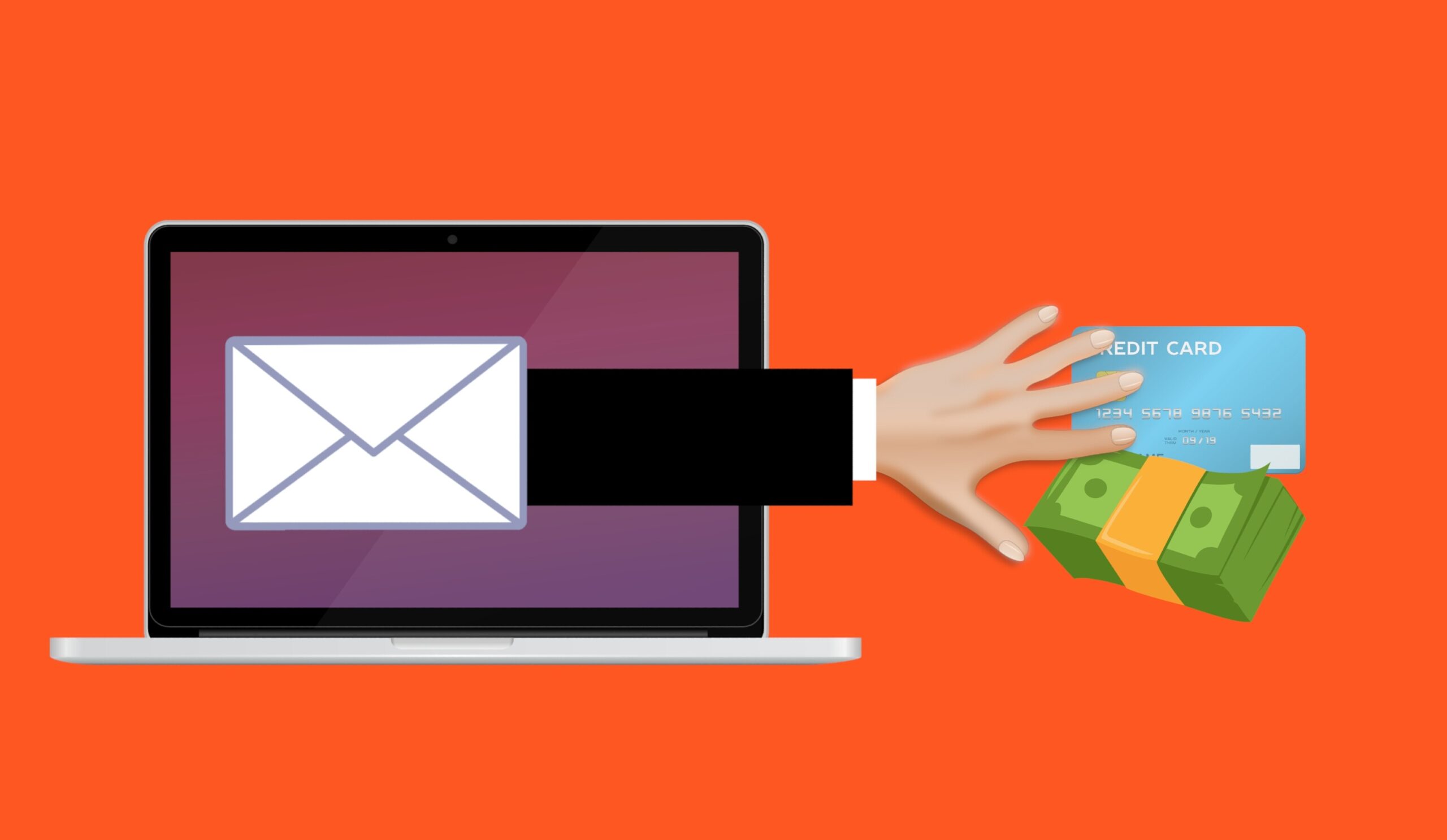
Article Summary: Email spoofing is when a scammer sends a message that appears to come from your domain, often to trick your clients or staff into paying a fake invoice or changing banking details. Three DNS records (SPF, DKIM, and DMARC) prove that a message really came from you and tell receiving mail servers to reject the ones that didn't. The catch is that DMARC only protects you once it's set to "quarantine" or "reject," and a lot of businesses leave it on "none," which monitors but does not block.

Why Human Habits Are Your Biggest Security Risk

Most cyberattacks do not start with a sophisticated intrusion. They start with a click on a personal email, a reused password, or a file uploaded to a familiar cloud service because the approved option felt slower.

The Verizon Data Breach Investigations Report found that 68% of breaches involve the human element.