
Summary: Most small-business websites run on WordPress, and the biggest risk is usually old plugins that nobody has updated. Attackers scan the web for these known weak spots and use the sites they find to spread malware, post spam, or steal what visitors type into forms.
Is Your Business Website a Security Risk?
Why You Should Scroll Past the First Result on Google
How to Spot a Scam Email Now That They Look Real
Summary: Scammers now use AI to write their phishing emails, so the spelling and grammar mistakes that used to give them away are gone. The UK's National Cyber Security Centre and the FBI both warn that AI makes these messages cleaner, more personal, and harder to spot.
What to Do in Case of a Cyberattack (Step by Step)

Article Summary: If your business is hit by a cyberattack, the first hour matters. Disconnect the affected devices from the network instead of powering them off, call your IT provider by phone, and leave the evidence in place.
What Are Passkeys, and Should Your Business Use Them?

Article Summary: A passkey lets you sign in to an app or website using the same fingerprint, face, or PIN you use to unlock your phone or laptop, with no password to type. It's built on a security standard called FIDO that can't be phished, because the passkey only works on the real site and there's no password to steal or reuse.
Still on Windows 10? Here’s Why You’re Putting Your Business at Risk

Article Summary: Windows 10 reached the end of Microsoft support on October 14, 2025, which means it no longer gets security updates. The computers still work, but any new flaw found in Windows 10 will never be fixed, which makes them easier to attack and can cause problems with compliance and cyber insurance.
Who Can See What Your AI Note-Taker Records?

Article Summary: AI note-takers join your meetings, transcribe everything said, and save the recording and summary to the vendor's servers. Who can see that recording depends on the tool. Some keep your data inside your own Microsoft or Google environment and never use it for training, while others store it on their own servers and may use it to improve their AI. Some also auto-join meetings from your calendar without anyone pressing record.
How to Stop Scammers from Sending Emails in Your Company’s Name
Article Summary: Email spoofing is when a scammer sends a message that appears to come from your domain, often to trick your clients or staff into paying a fake invoice or changing banking details. Three DNS records (SPF, DKIM, and DMARC) prove that a message really came from you and tell receiving mail servers to reject the ones that didn't. The catch is that DMARC only protects you once it's set to "quarantine" or "reject," and a lot of businesses leave it on "none," which monitors but does not block.
QR Code Scams: What They Are and How to Protect Your Business
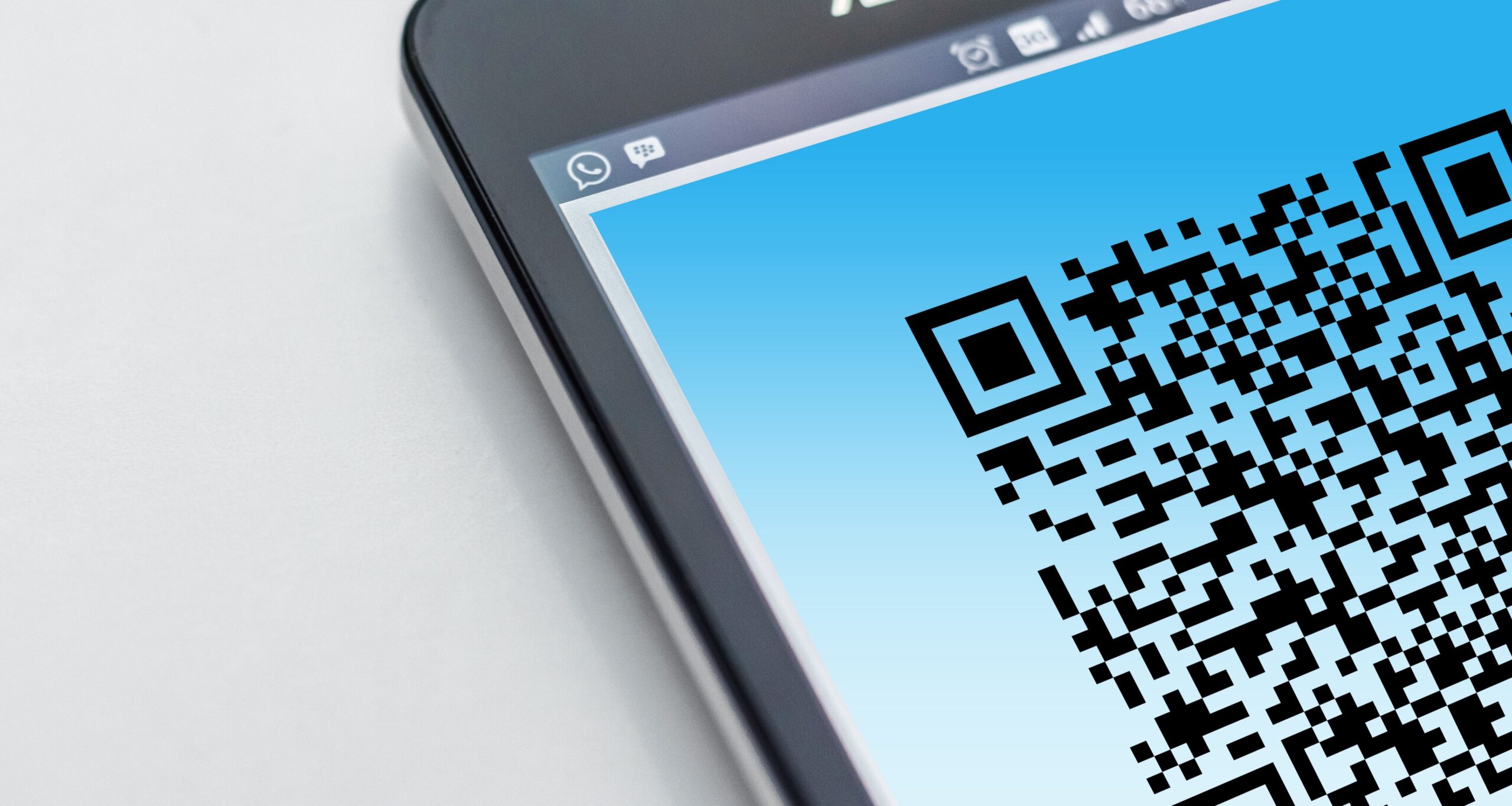
Article Summary: A QR code scam, sometimes called quishing, hides a malicious web link inside a QR code. Because the link is buried in an image instead of written as text, it slips past the email filters that normally catch bad links, and scanning the code usually moves the victim onto a personal phone that sits outside the company's security.
How Small Business Ransomware Attacks Work (And How to Protect Against Them)
Small businesses are the most common ransomware target by volume of incidents, even though many small business owners assume hackers focus on larger organizations. A 22-person company has enough revenue to be worth attacking, no dedicated security team to defend it, and a publicly traceable footprint that takes about an hour to research.